
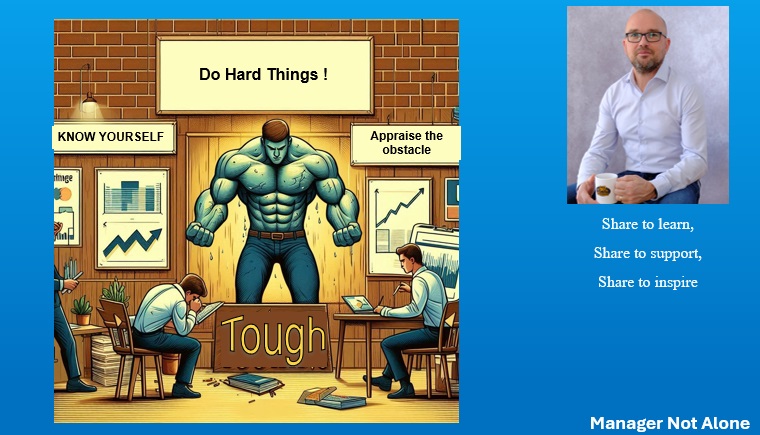
The origin of this article comes from the reading of a book, “Do Hard Things” by Steve Magness, which echoes and puts words on what I was observing for the last 20 years.
Coming from an elite sport environment, the author deconstructs the myth of toughness and proposes an alternative. To succeed, you have to not lure yourself by misrating either your own capability or the obstacle. An accurate appraisal of both demands and capabilities is the key. In your transformation journey, to reach the highest level, inner confidence is the highest motivation. If you are motivated only by external elements, such as other appraisals and external recognitions, you will not achieve the same level.
This book is full of advice and tips to develop your inner confidence to gain motivation in the long run and thus improve.
Why does this book echo into me?
I have spent 20 years in Aerospace, many first flights of new concepts such as A380, Cseries family, Lear 85, or Global 7500. I contributed to all these programs in different positions. For all of these programs, we had the same environment: high stakes, high pressure, tight timeline. As soon as you have a key technical role or managerial position, you have to be on top of all your topics. You have to be strong and able to sustain the pressure. People in this area described themselves as tough. During these 20 years, I have seen people losing their nerves, burnout, early retirement, resignation, turnover, heart attack, and other sudden deaths. Without passion, you won’t last long in development programs.
In other areas, other functions, civil engineering, rough discussion, rough negotiation, the way these people describe themselves is toughness. In fact quite close, replace just the “t” with an “r” and we are there. Unfair negotiation, pressure to force people to reduce costs, asking for the impossible, and continuing until you get it. This approach is not made to last.
Last example, sales and or purchase contract negotiations are rough, and the sales or procurement teams described themselves as tough. Why? Because they can endure roughness, and they can play rough. In fact, they believe they can endure it.
Roughness is not toughness.
In a nutshell, this book proposes an approach on four pillars:
- Ditch the facade and embrace reality. Do not overevaluate yourself and your organization; know your strengths and weaknesses, acknowledge them, and work on them to improve.
- Listen to your body. Emotions are messengers, not dictators, and it’s ok to feel emotions. You have to decide what you want to do with them. If you appreciate this portion to regain control of your way of utilizing your emotions. I recommend you read The Happiness Trap by Russ Harris. You will find many practices and advice on how to take control.
- Respond instead of react. Don’t let the impulsion from the emotion guide you; make a conscious decision on how you want to respond.
- Transcend discomfort. Doing hard things will make you grow. Investing time in not being controlled by your emotions, and responding to them, will transform your leadership. And by leading by example, you will contribute to transforming your whole organization.
Real toughness is experiencing discomfort or distress, leaning in, paying attention, and creating space to create thoughtful actions. It’s navigating discomfort to make the best decision.
As a manager, what I know is that overpromising and pushing too hard on the team to deliver to meet the promises you made is not toughness. When you do so, you wear out your team, and you will not win the next round, or you will have to replace people to do so.
So, what if we were to help people and organizations transform themselves to become really tough?
In the decision-making process, aerospace program management has to be improved. I have seen the early stages of such transformation within Bombardier by adopting the concept of steering aircraft design development using maturity levels. At the time, I was thinking solely about the maturity of the design, which also has to go hand in hand with the maturity of the leadership organization (technical and hierarchical). If you do so, no need for any hero; you just need teamwork, discipline, and rigor in execution.
Civil engineering, by looking for real partnership, win-win situations, transparency, and the ability to acknowledge when we make a mistake, and thus accepting financial impact without trying to pass it to your supplier. Long-term relationships bring more value than transactional short ones.
The last example was to rethink commercial negotiation, and here, proposing a long-term partnership in explicating all the interactions, protecting both parties, and steering the relationship with regular touchpoints.
Roughness is not toughness. Know yourself, learn how to appraise the obstacle, use your emotions as sensors and not as a dictator, and learn through discomfort.
r discover others?
🛠️ Three simple actions to act with discernment
Practice “unfiltered reality” once a week
Take 10 minutes to answer three questions honestly:
What is truly difficult right now?
What do I actually have under control?
What story am I telling myself to avoid seeing reality?
This micro‑routine builds inner strength: clarity + responsibility + action.
Name the emotion before deciding
When a situation shakes you (pressure, conflict, urgency), pause for 10 seconds and name what you feel:
“I’m frustrated.”
“I’m worried.”
“I’m under pressure.”
Naming = regaining control.
You shift from reacting to responding.
Assess the obstacle instead of enduring it
Before starting a difficult task, ask yourself:
What is the real obstacle?
What are my current capacities?
What is within my control?
This objective assessment reduces fear, increases clarity, and strengthens internal motivation.
👉 These three simple actions strengthen your leadership posture and unlock your potential.
Coaching or Mentoring: Your Choice, Your Growth
I’m Franck Dervault, drawing on years of professional experience and now advancing toward certification as a coach. I offer two distinct paths:
- Coaching to help you unlock your own potential through reflection, presence, and guided discovery.
- Mentoring to share lessons, strategies, and insights from my career so you can navigate challenges with confidence.
Whichever path you choose, my goal is the same: to help you realize that you are wiser than you think, with immense potential waiting to be unlocked.
Don’t face management challenges alone: subscribe and receive practical keys every week to help you progress.